

.jpg)
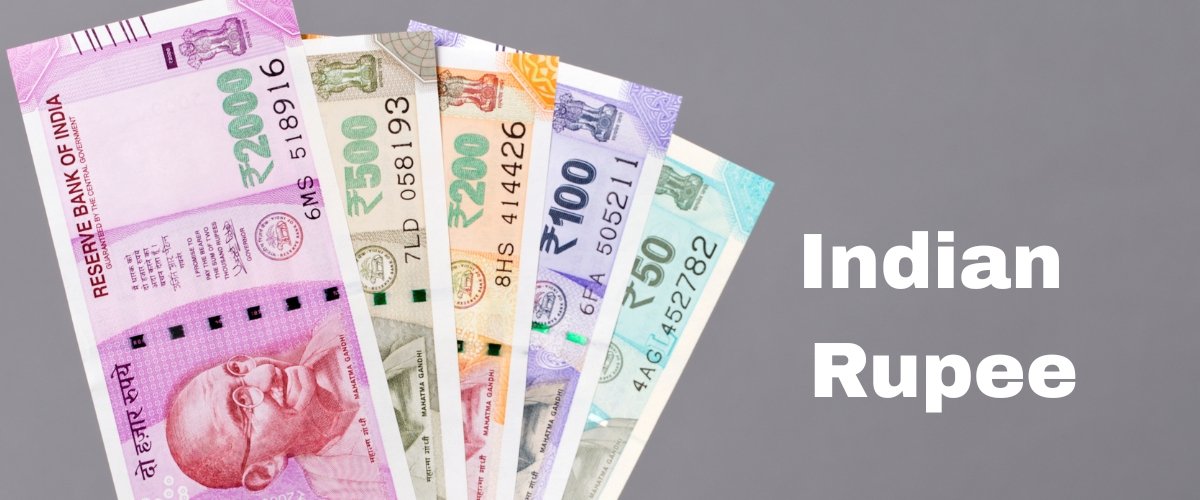
The Indian Rupee (INR) is not just a currency; it's a symbol of the Indian economy and its rich history. Understanding its origins and evolution offers insights into India’s socio-economic transformation. Here’s a detailed look at the Indian Rupee.
Origin of the Rupee
The term "rupee" is derived from the Sanskrit word "rūpya," which means "wrought silver" or "a coin of silver." The currency can trace its roots back to the early metal currency systems.
- Historical Background
- Ancient Coins: Ancient India used various coins, such as "Panchal," made of gold, silver, and copper dating back to around 600 BCE. These coins were often stamped with symbols and images representing various states.
- Sher Shah Suri's Contribution: The modern concept of the rupee emerged during the reign of Sher Shah Suri in the 16th century. He introduced the "rupee" as a silver coin weighing 178 grains, which became a template for the currency system.
Evolution of the Indian Rupee
The rupee has undergone significant changes throughout its history, particularly during the British colonial period and after India gained independence.
-
Colonial Era
- British East India Company: The East India Company introduced standardized currency in India. The first Indian currency notes were issued by the Company in 1825.
- Government of India Act 1919: This act transferred responsibility for currency to the British Government, consolidating currency issuance under the Controller of Currency.
-
Post-Independence Developments
- 1947 Onwards: Following independence, the Reserve Bank of India (RBI) became the sole issuer of currency notes. The first series of post-independence banknotes were released in 1949.
- Decimalization: In 1957, India moved to a decimal currency system, making one rupee equivalent to 100 paise.
- Recent Developments: Innovations like the introduction of polymer notes and digital currencies have been recent milestones in the evolution of the rupee.
Physical Characteristics of the Rupee
The Indian Rupee has a distinctive design that reflects India's culture and heritage.
-
Banknotes
- The currency notes come in denominations of ₹2, ₹5, ₹10, ₹20, ₹50, ₹100, ₹200, ₹500, and ₹2000.
- Each note features different historical figures, including Mahatma Gandhi, and iconic Indian structures like the Red Fort.
- Recent banknotes include advanced security features like microprinting, watermarks, and color-shifting ink to prevent counterfeiting.
-
Coins
- Coins are available in denominations of ₹1, ₹2, ₹5, ₹10 and ₹20, along with smaller units of paise.
- Coins feature national symbols, animals, and notable locations, celebrating India's diverse heritage.
Current Status and Global Context
-
Economic Significance
- The Indian Rupee is crucial for domestic trade and affects the world economy. It reflects India's economic growth, inflation rates, and international trade dynamics.
- The exchange rate of the rupee against other currencies influences import and export activities, making it vital for businesses.
-
International Acceptance
- In recent years, the Indian Rupee has gained some international acceptance, especially in neighboring countries and trade agreements.
- The Indian government has pushed for the rupee's use in global trade settlements, reducing reliance on major currencies like the U.S. dollar.
Interesting Facts about the Indian Rupee
- Symbol of the Rupee: The Indian Rupee symbol (₹) was officially adopted in 2010. Designed by D. Udaya Kumar, it combines elements of the Roman 'R' and the Devanagari 'र'.
- Not Just Monetary Value: The rupee symbolizes not just economic power but also social progress. Efforts are underway to promote financial literacy among the Indian population.
- Cultural Impact: The rupee features in Indian literature, art, and cinema, showcasing its cultural importance beyond a mere means of transaction.
Conclusion
The Indian Rupee embodies India's deep-rooted history, economic evolution, and cultural richness. From ancient coins to contemporary banknotes, it reflects the journey of a nation. Understanding its history provides valuable insights into the broader narrative of India’s socio-economic development. As India continues to grow on the global stage, the rupee remains a significant component of its identity and legacy.